How to choose a padel racket: shape, weight and balance
Three things decide how a racket behaves on court. Here's how to read them before you buy.
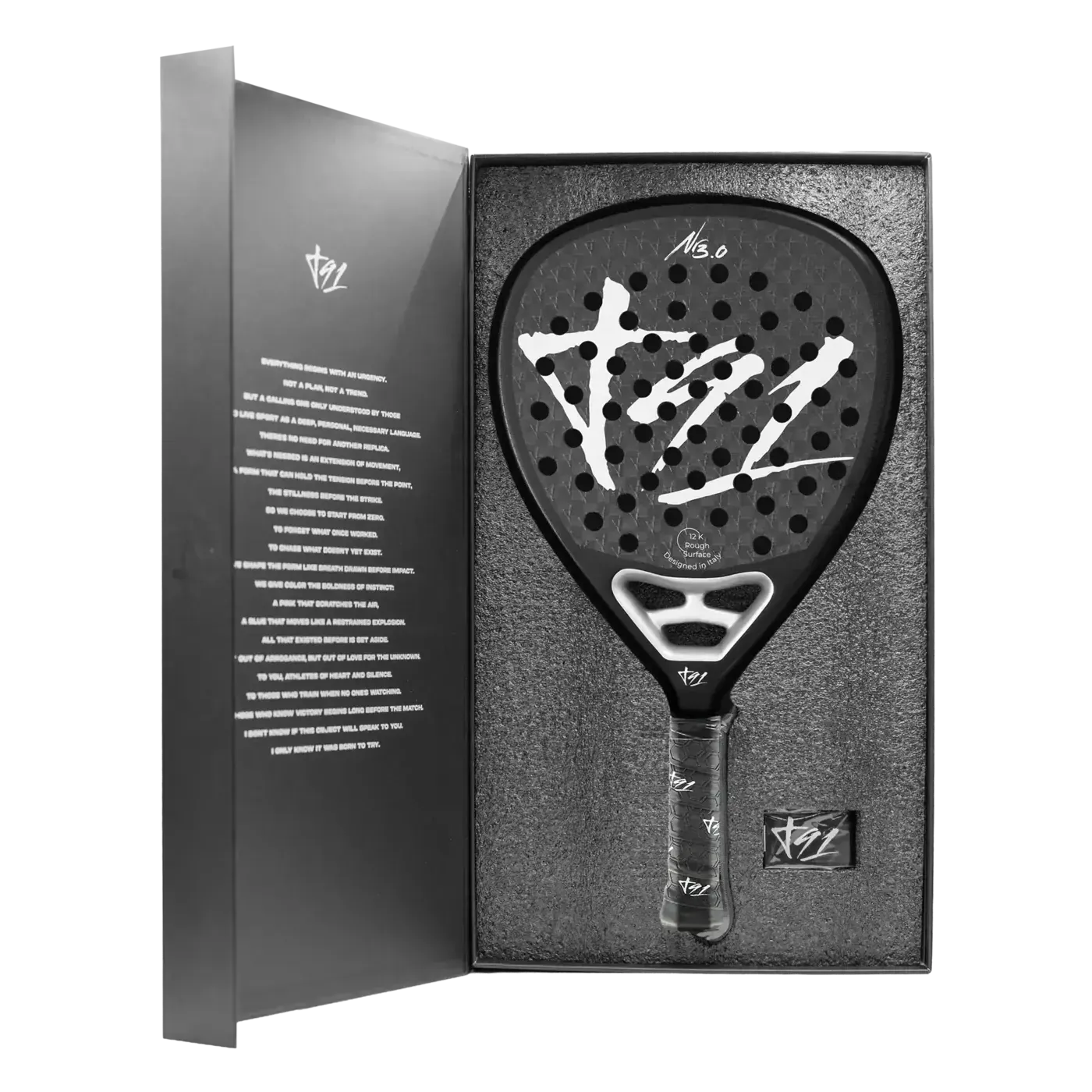
Facing a wall of black carbon rackets, choosing looks like a matter of taste. In fact three numbers and a shape tell you almost everything: where the sweet spot is, how heavy the head feels and how stiff the face is.
Shape
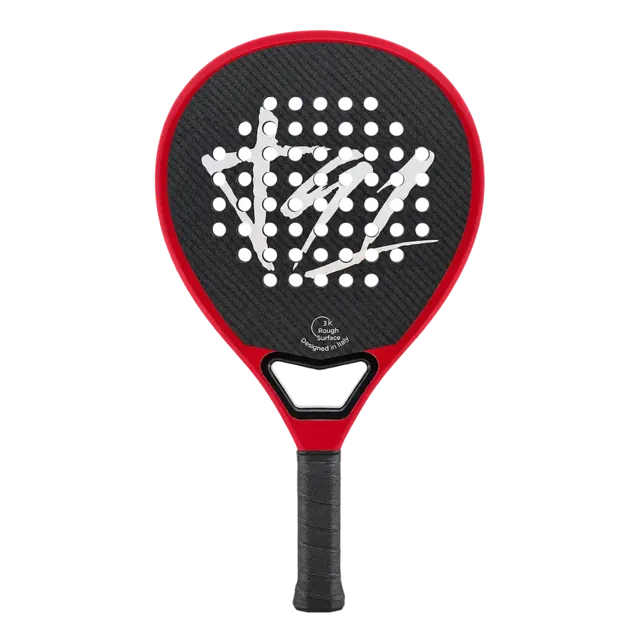
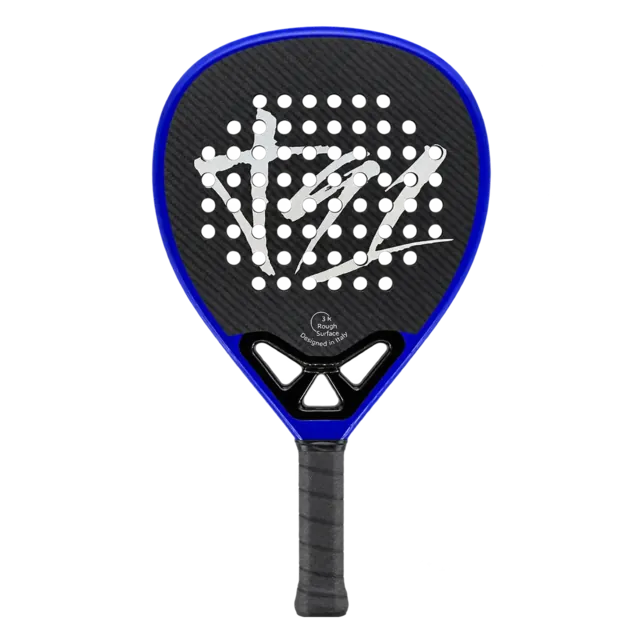
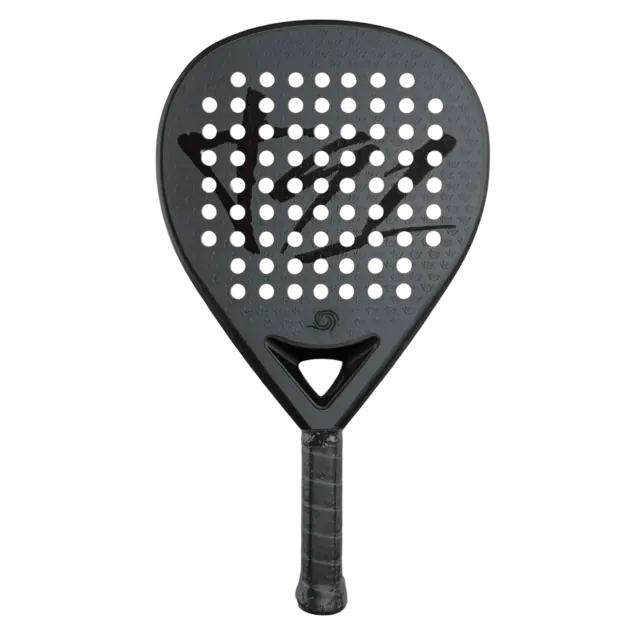
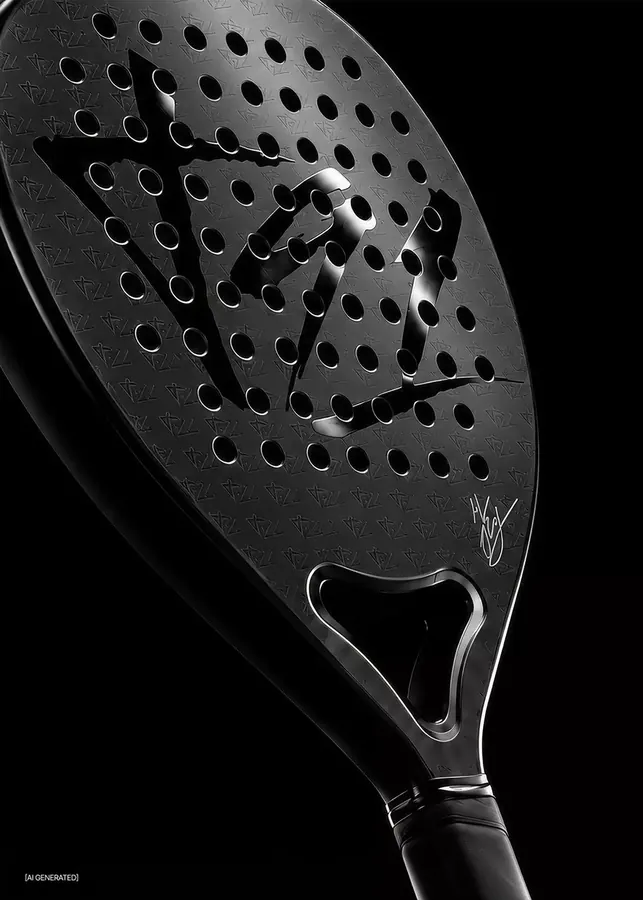
A round shape ("hybrid round" in our sheets, like the Finder Pro) has a low, wide sweet spot: it forgives off-centre shots and is the easiest to control. A diamond shape (Boss One, Huracán) moves the sweet spot up and puts more weight in the head: more power on the smash, less tolerance for mistakes.
Balance
It's the distance, in millimetres, from the bottom of the handle to the balance point. Below 260 mm the racket is easy to handle and quick at the net; above 265 mm the head is heavier and shots carry more weight, but your arm works harder.
Weight and carbon
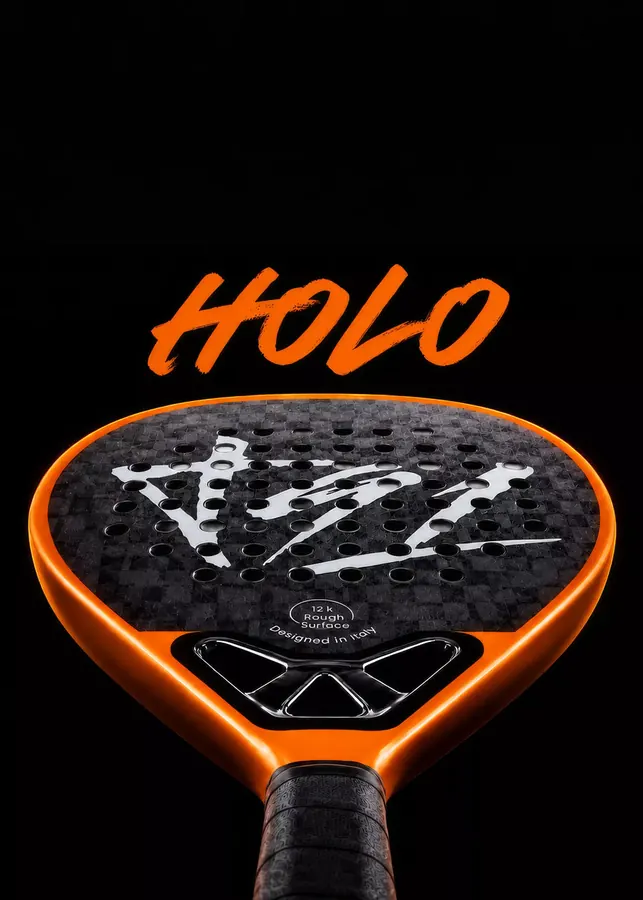
T91 rackets range from 346 to 375 grams. A lighter racket helps if you're new to the game or have a sensitive elbow. The carbon (3K, 12K, 18K) tells you how dense the weave is: generally the higher the number, the stiffer and more reactive the face, while 3K is softer and holds the ball longer.
Where to start
If you've just started, a round shape or a soft 3K diamond with balance under 265 mm is the safest starting point. If you're after power and already play regularly, a 12K or 18K diamond with a high balance gives you more punch. Not sure? Our three-question quiz points you to the right racket, and you can try it at a partner centre before you buy.